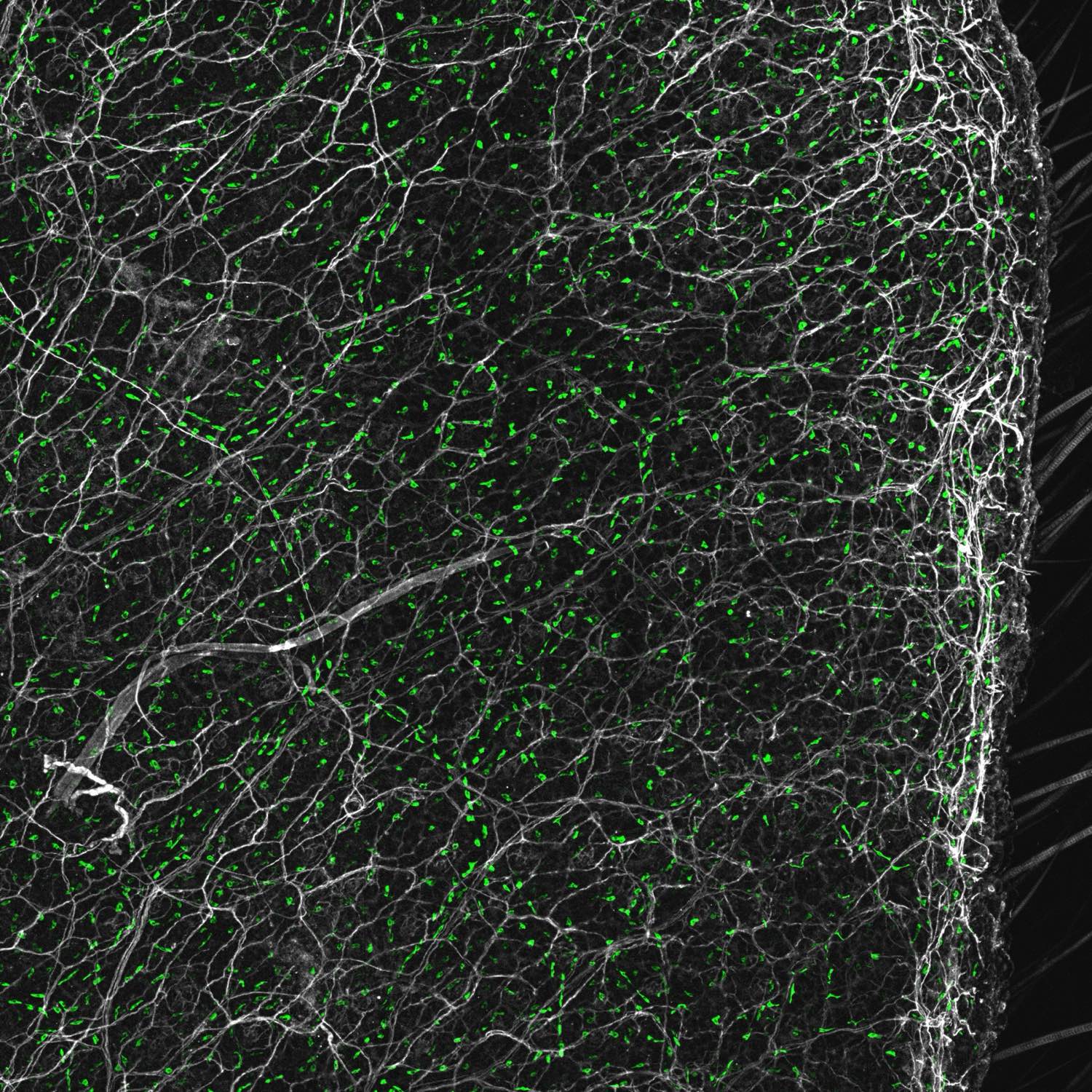
Plum Lab for Peripheral Neuroimmunology
At the Plum Lab, we investigate how the immune system shapes behavior and physiology to protect the body from harmful environments. We focus on MAST CELLS and study how they sense environmental and tissue cues to translate these into rapid protective responses.
Lab News — RSS feed
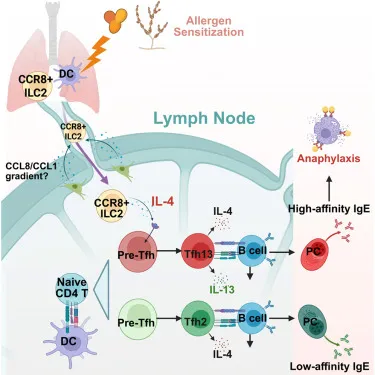
Online now: Interleukin-4-producing type 2 innate lymphoid cells in the lymph node promote proallergic Tfh13 cell differentiation
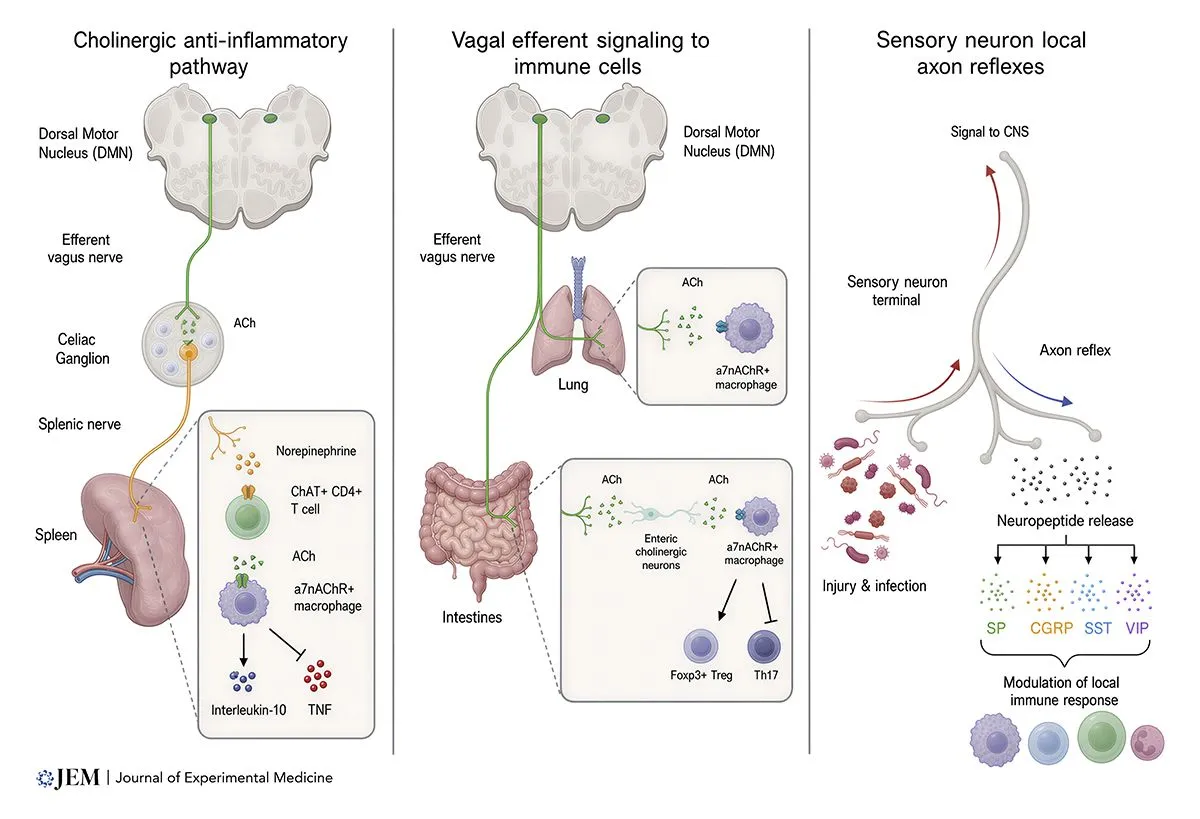
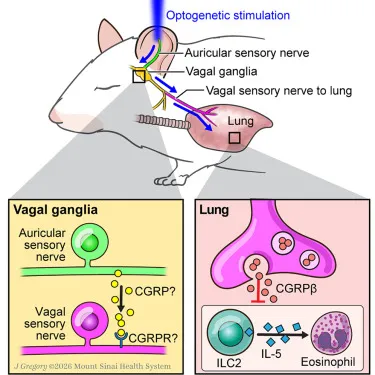
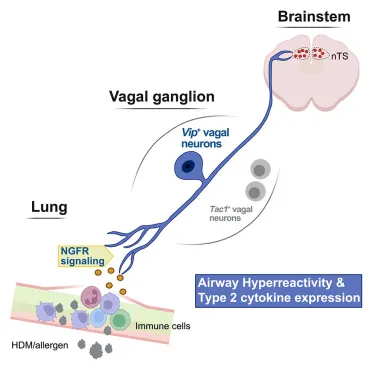
Vip+ vagal neurons control allergen-induced responses
Review @annualreviews.bsky.social
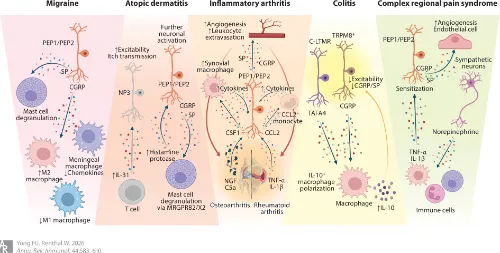
The Neuroimmune Circuitry of Peripheral Sensory Neuron Subtypes in Chronic Pain
www.annualreviews.org/content/jour...
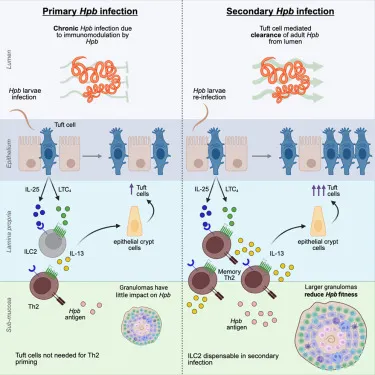
Online now: Tuft cells promote reactivation of memory Th2 cells and are required for protective immunity to intestinal helminth re-infection
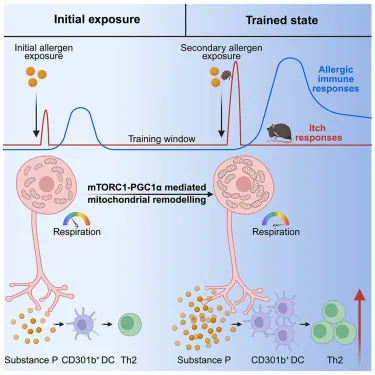
Early life allergen sensitivity starts in the skin
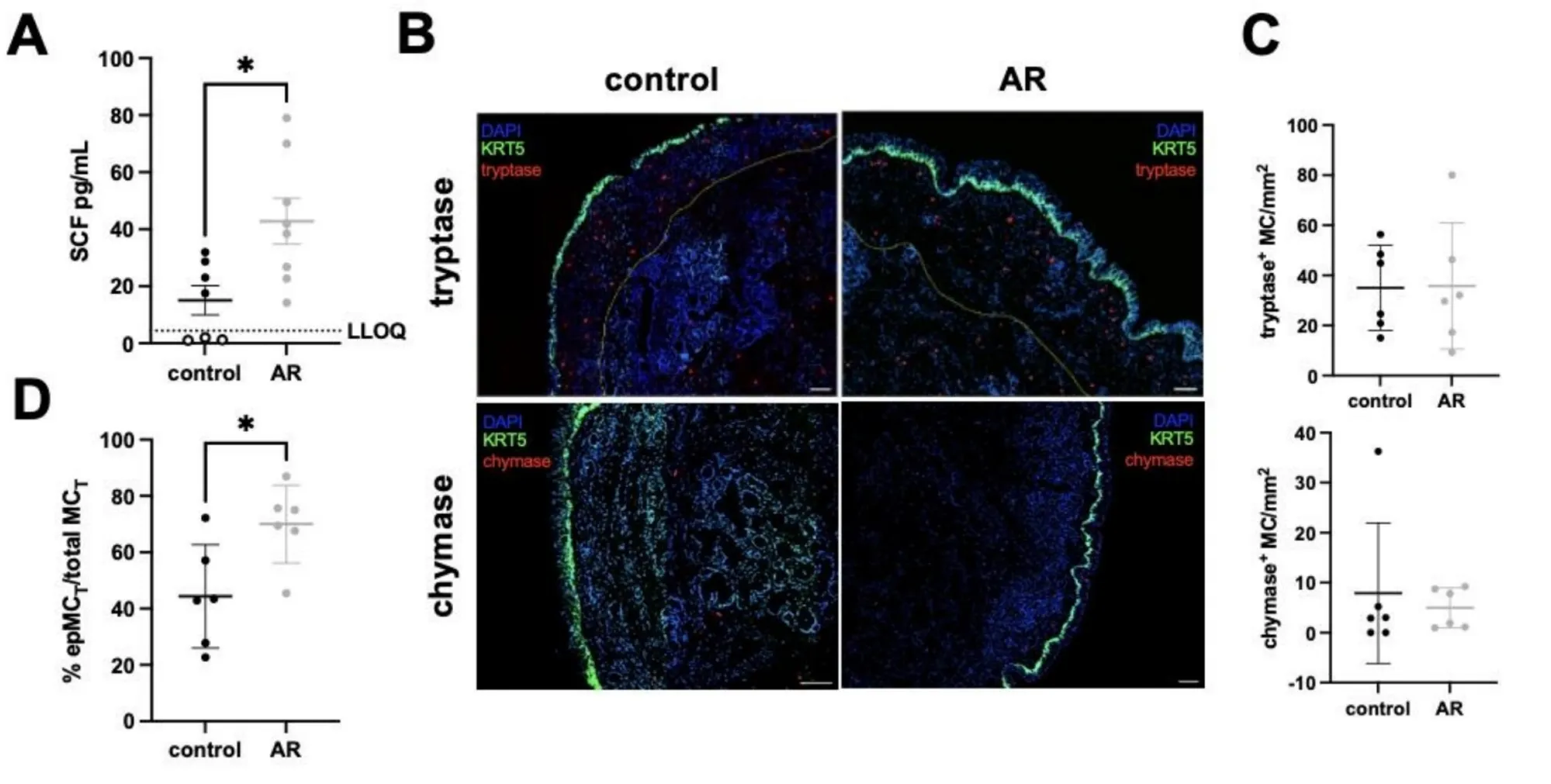
Interaction between airway basal cells, mast cells and type 2 immunity contributes to epithelial barrier dysfunction in allergic rhinitis: www.mucosalimmunology.org/article/S193...
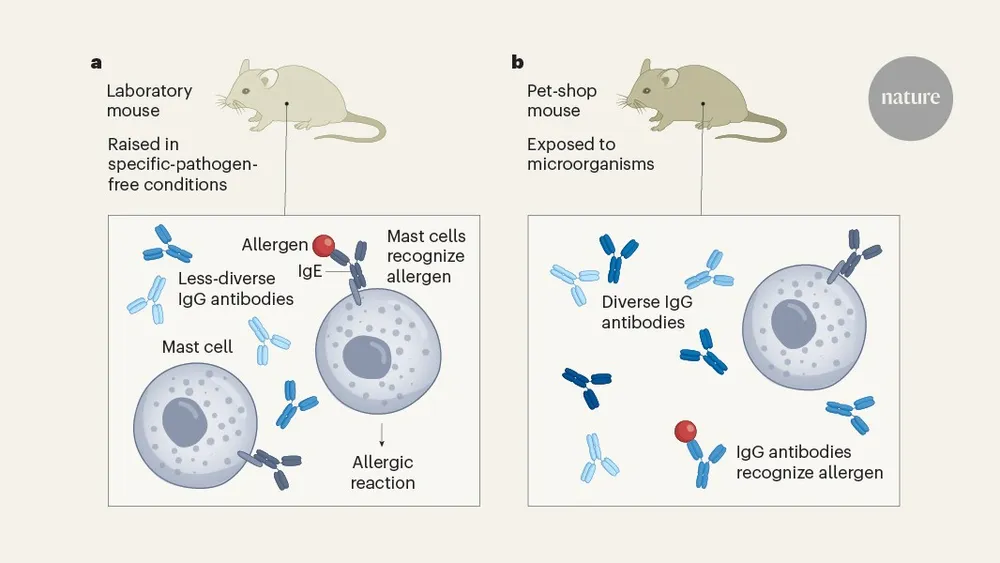
The most influential explanation of a recent surge in allergies is the hygiene hypothesis
go.nature.com/40woBkB
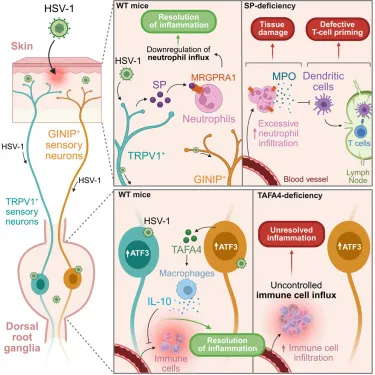
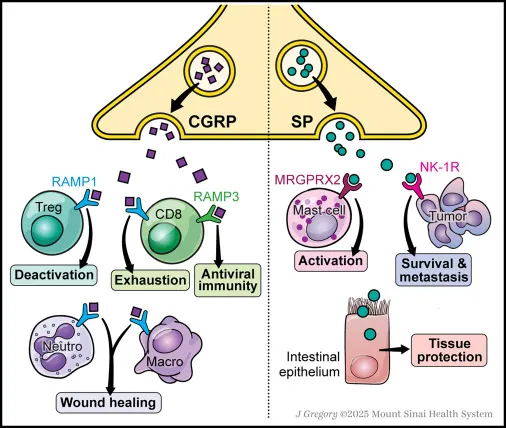
Online now: Sensory neuron production of substance P and TAFA4 promotes disease tolerance during viral infection
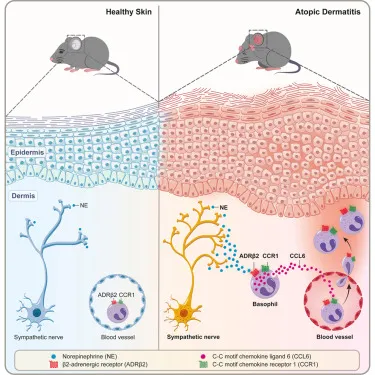
Online now: Hyperactivation of sympathetic nerves fuels basophil infiltration in atopic dermatitis
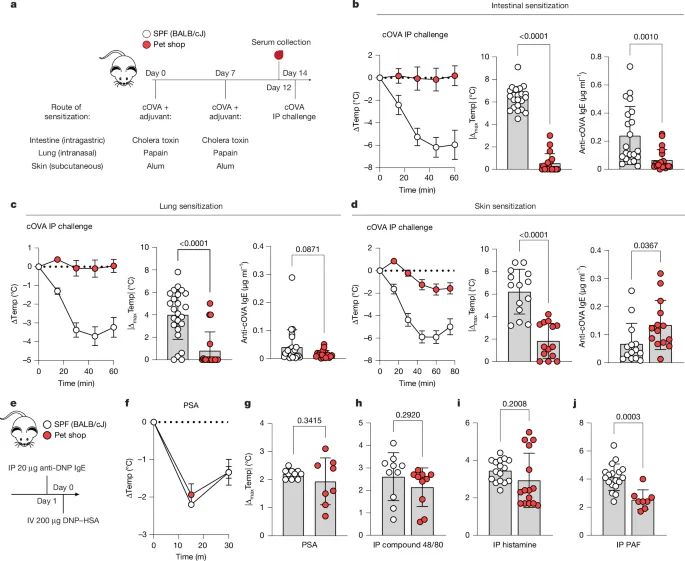
Nature research paper: Environmentally driven immune imprinting protects against allergy
go.nature.com/46lGExb
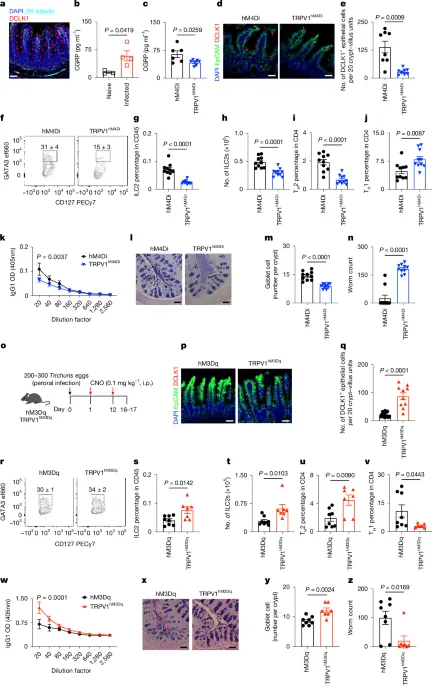
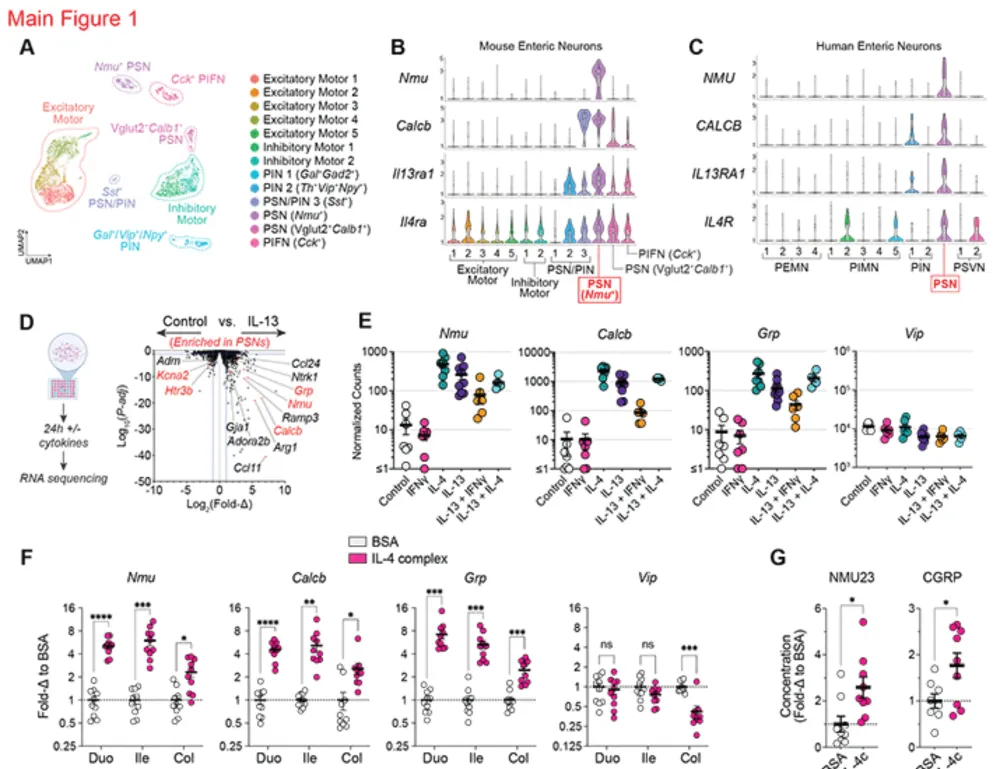
Nature research paper: Neuro-epithelial circuits promote sensory convergence and intestinal immunity
go.nature.com/4qeRjlt
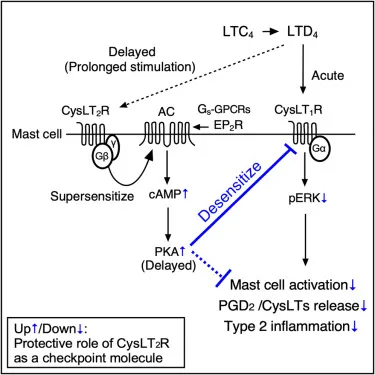
Mast cell-specific CysLT2 receptor signaling inhibits cysteinyl leukotriene-dependent mast cell activation and type 2 allergic lung inflammation
Review @jci.org
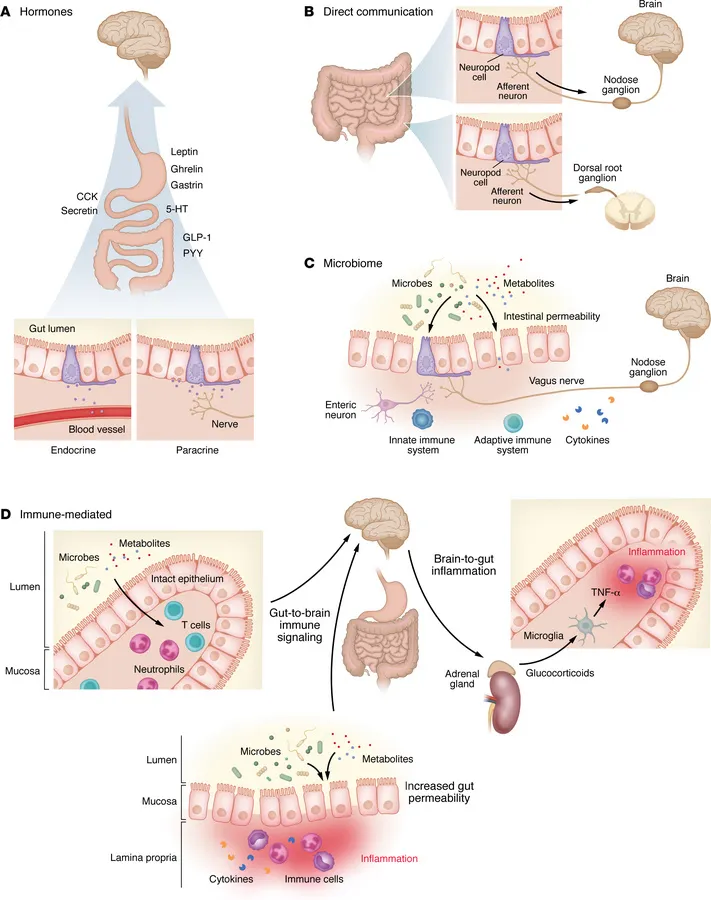
Mechanisms and clinical implications of gut-brain interactions
www.jci.org/articles/vie...
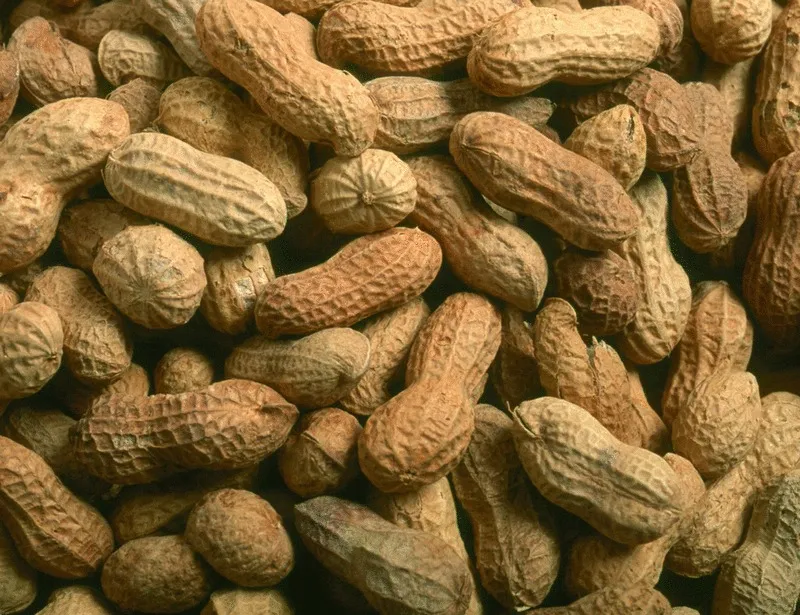
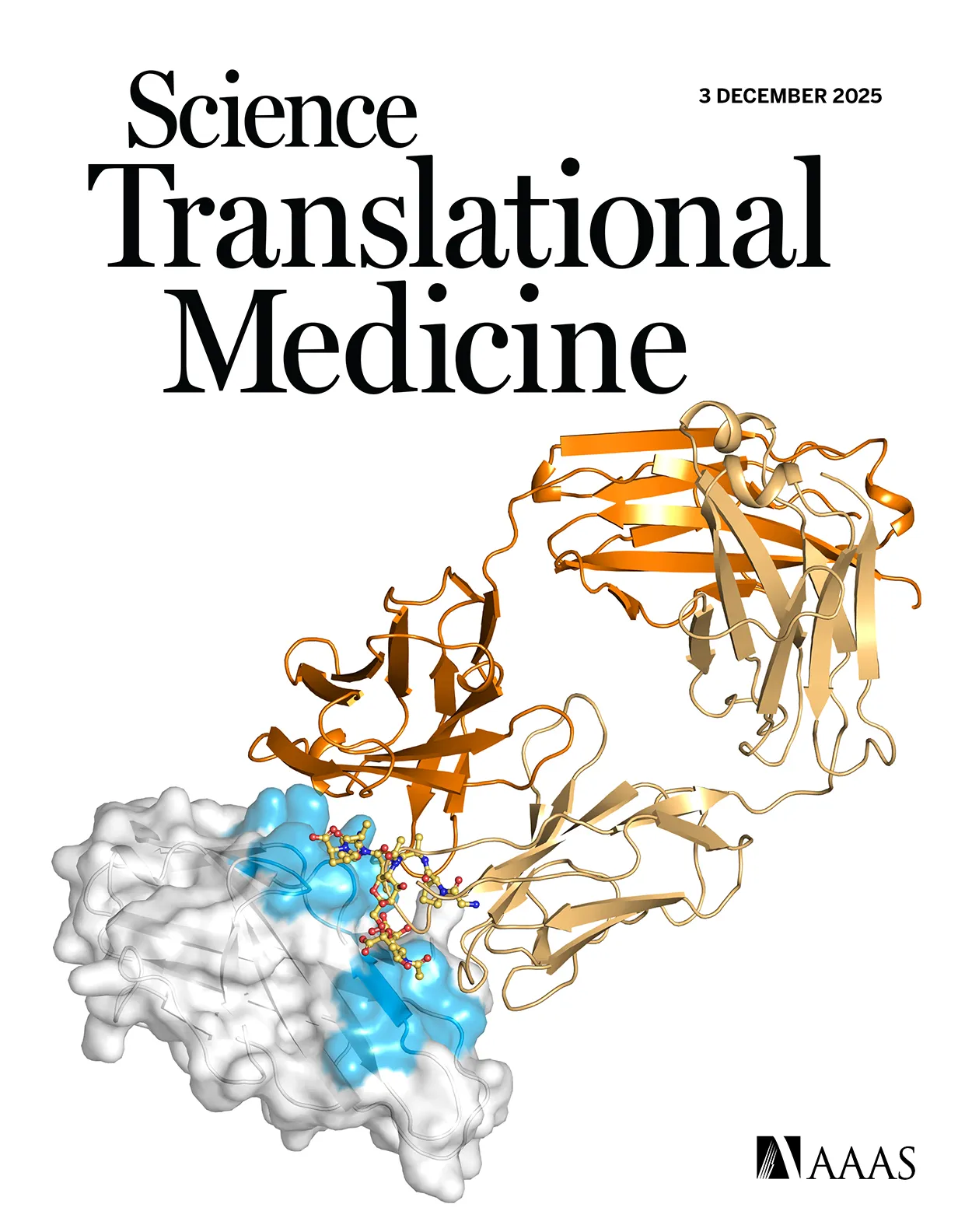
Humans may be genetically programmed to produce antibodies against peanut, suggests a #ScienceTranslationalMedicine study showing nonallergic people harbor convergent, germline-encoded antibodies against the allergen Ara h 2. https://scim.ag/3LqfEp9
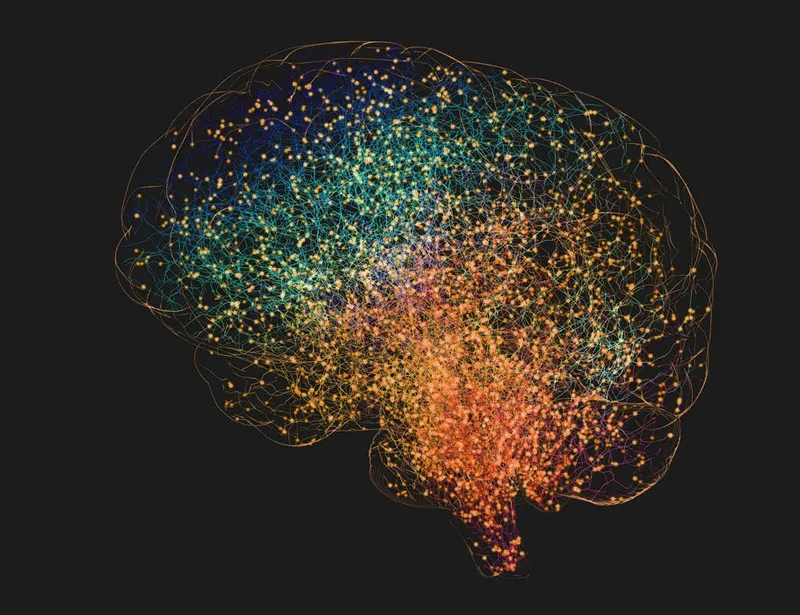
In a #ScienceImmunology Review from earlier this year, researchers discuss how interactions between the nervous and immune systems could impact neurological disorders and allergy-related behaviors like food avoidance. https://scim.ag/3Y1hcsr
This paper by Conde et al. demonstrates that a conjugate vaccine coupling a mutated human IgE fragment to a CRM carrier induces durable, neutralizing anti-IgE autoantibodies in humanized mice, providing long-term protection against systemic and cutaneous anaphylaxis without compromising anti-helminth immunity. #ScienceTranslationalMedicine. https://scim.ag/3XxHAdi
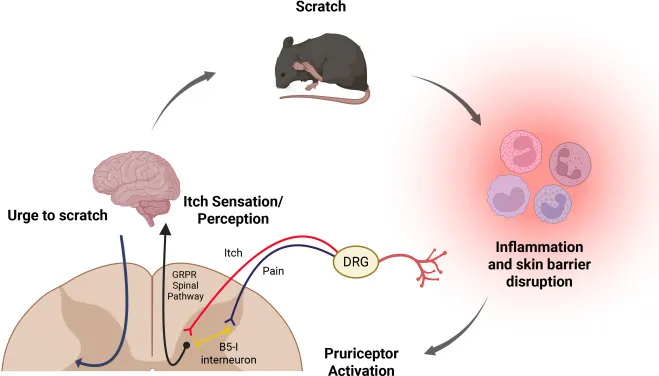
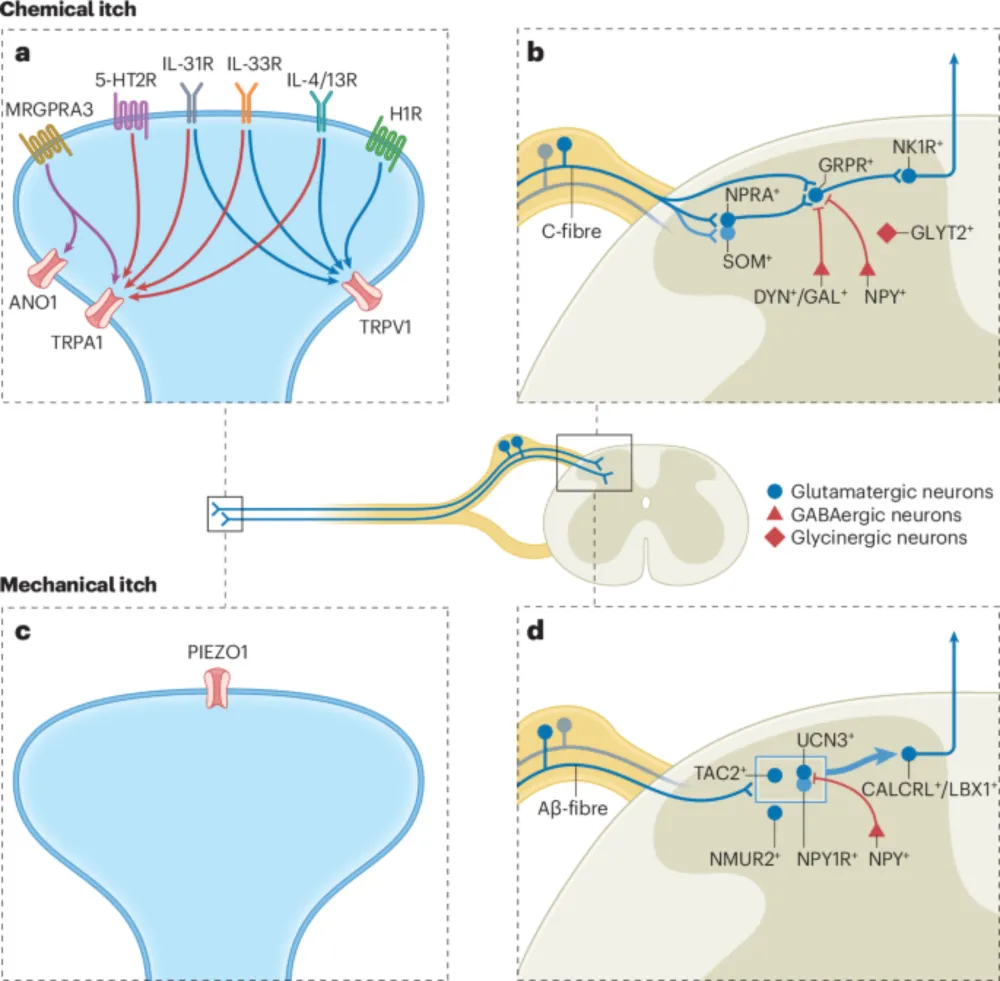
Central neural circuits underlying itch sensation — a Review by Yan-Gang Sun
#neuroscience #neuroskyence
www.nature.com/articles/s41...
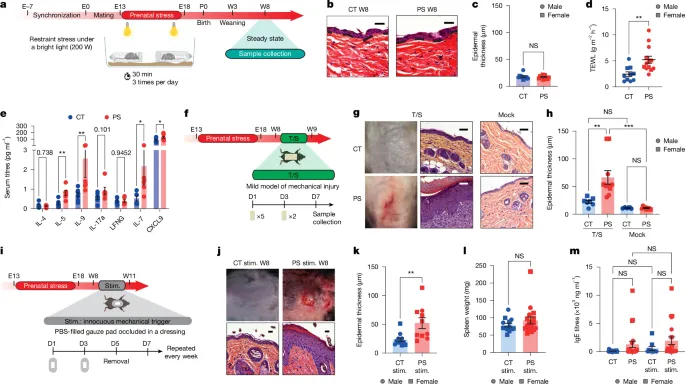
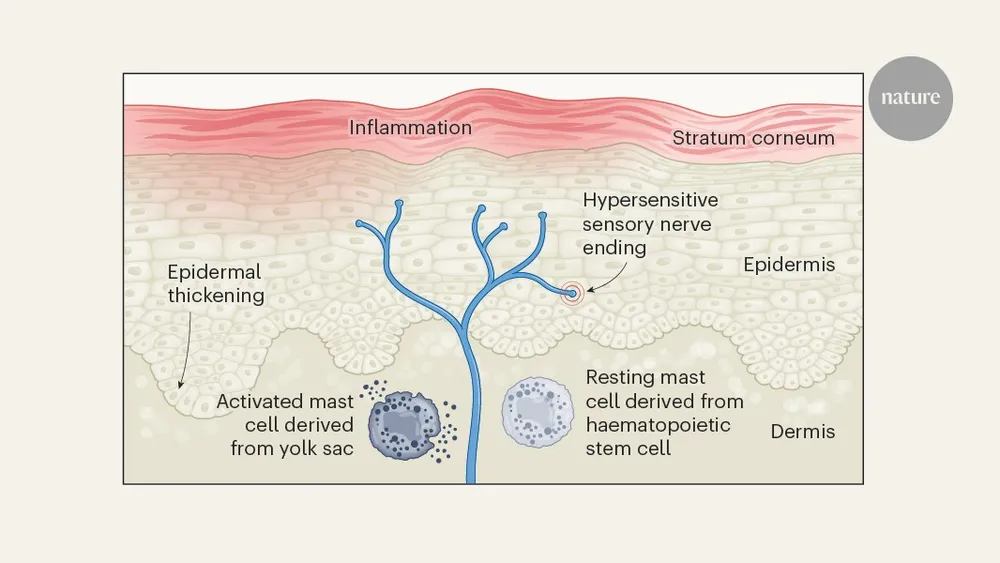
Nature research paper: Maternal stress triggers early-life eczema through fetal mast cell programming
go.nature.com/3UPz8Vm
The causes of early-life eczema have been unclear, but evidence indicates that changes to fetal immune cells and sensory neurons during pregnancy play a key part
go.nature.com/45Y9aUQ
This paper by Shi et al. (reported by Nature) identifies that unrelated allergens trigger allergic airway inflammation across species via conserved pore-forming proteins that create membrane holes, allowing calcium influx to initiate the primary danger signals that drive the type 2 immune response.
go.nature.com/3H9B1cd
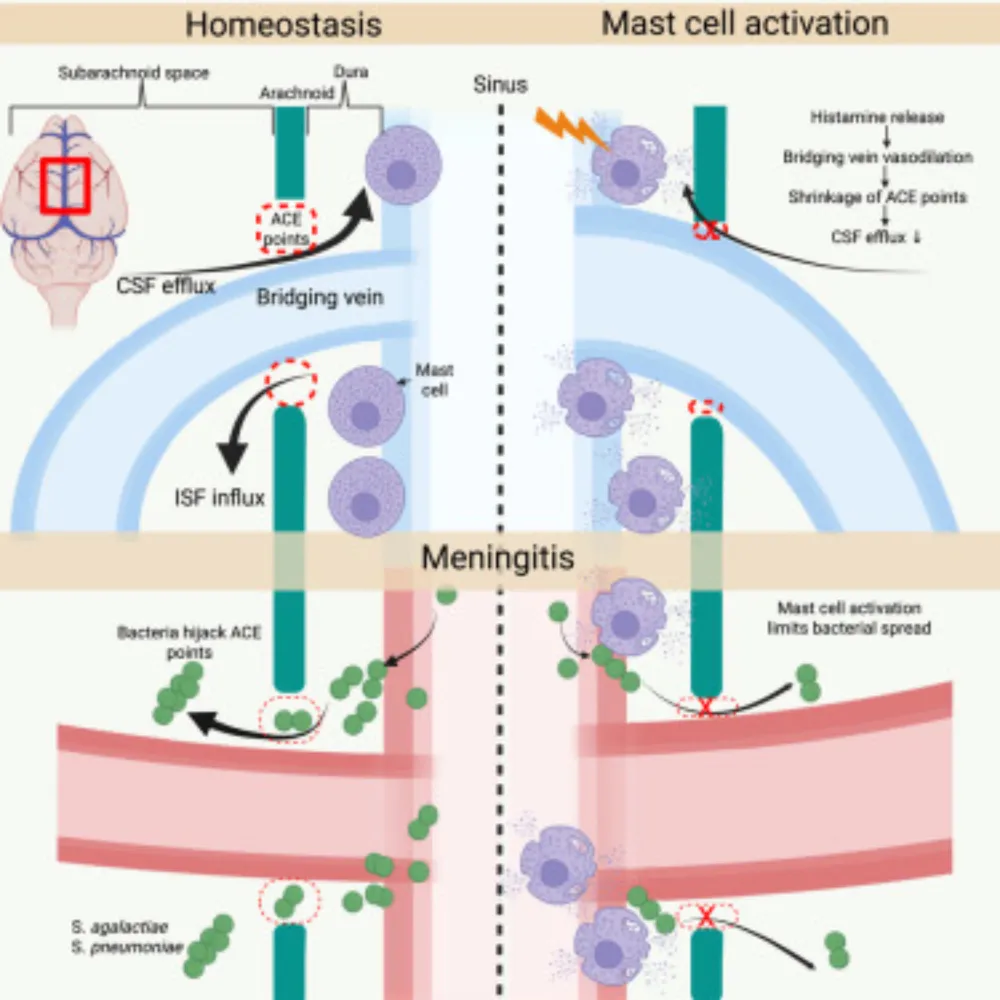
Excited to share our new work, led by an exceptional graduate student, Tornike Mamuladze, on the role of meningeal mast cells in regulation of brain/dura access points, with implications to CSF flow dynamics and meningitis || www.cell.com/cell/fulltex...
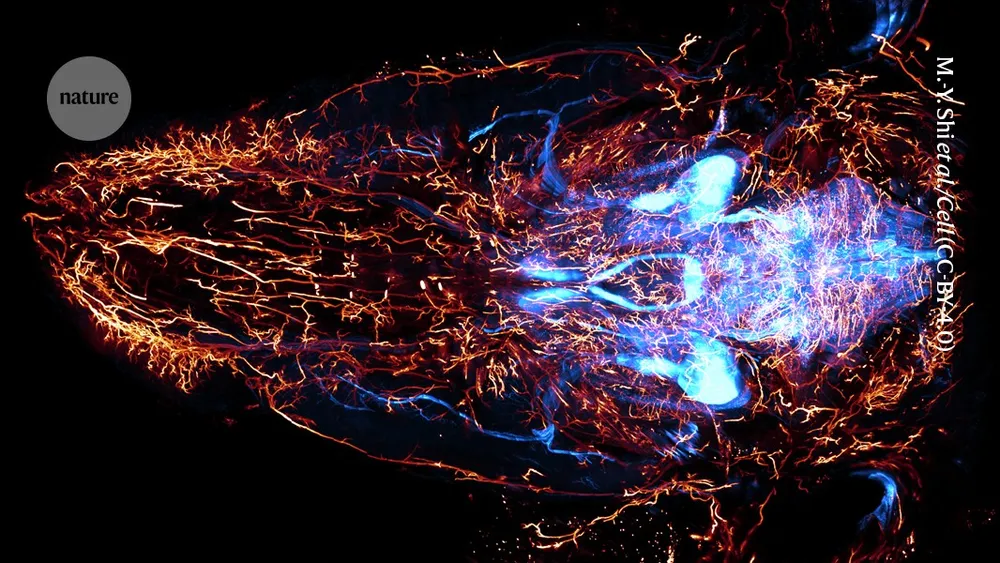
A speedy imaging method can map the nerves running from a mouse’s brain and spinal cord to the rest of its body at micrometre-scale resolution
go.nature.com/3Il0e3x
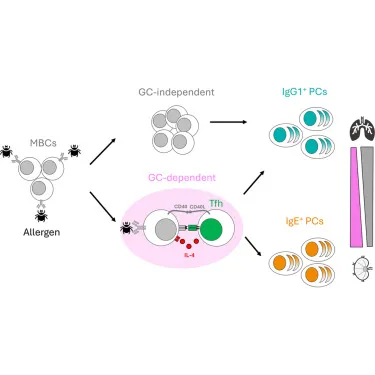
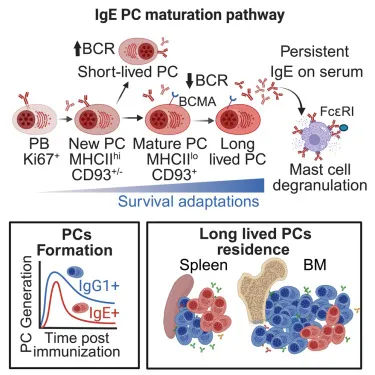
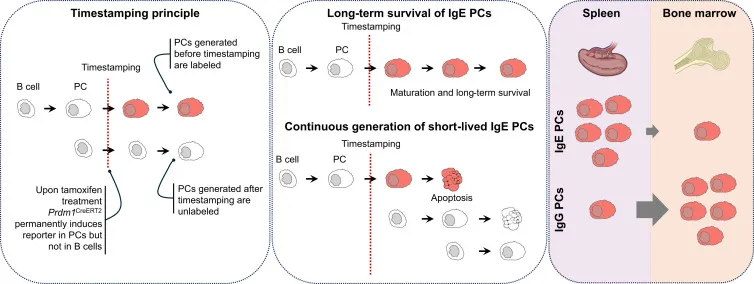
Online now: Long-lived IgE plasma cells that reside in the spleen contribute to the persistence of the IgE response
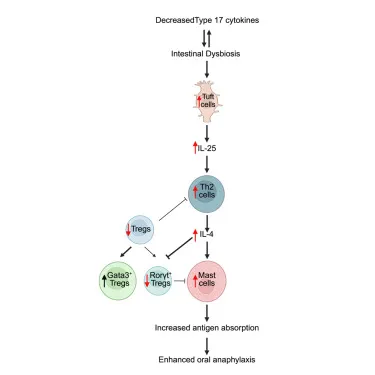
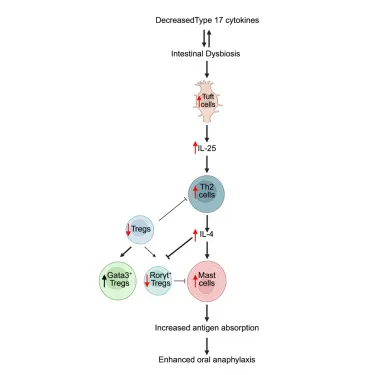
This paper by Janssen et al. demonstrates that DOCK8 deficiency drives food allergy and oral anaphylaxis by disrupting T regulatory cell and Th17 function, causing dysbiosis and an IL-25/IL-4 cascade that expands mucosal mast cells and increases intestinal permeability.
🚨New paper with @thexavierlab.bsky.social @science.org on the critical role of 🔄neuroimmune crosstalk in immune defense in the gut🪱🪱.
🧪@genelayinstitute.bsky.social @mgbresearch.bsky.social @harvardmed.bsky.social @broadinstitute.org
www.science.org/doi/10.1126/...
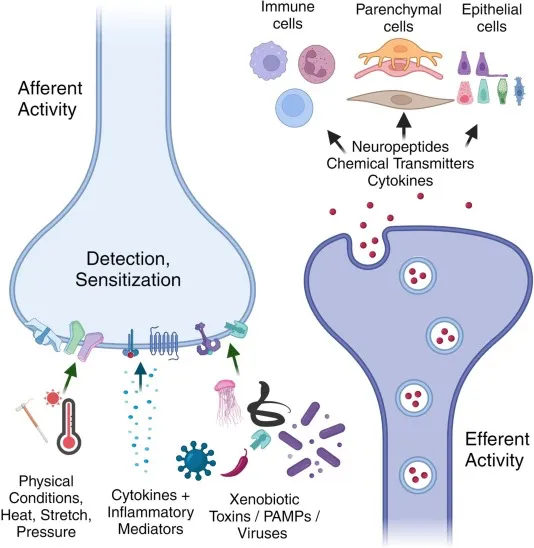
This review by Brian Kim and David Artis details how peripheral sensory neuroimmunology has emerged as a distinct field by revealing critical interactions between the immune and sensory nervous systems that govern allergy, infection, autoimmunity, and tissue homeostasis.
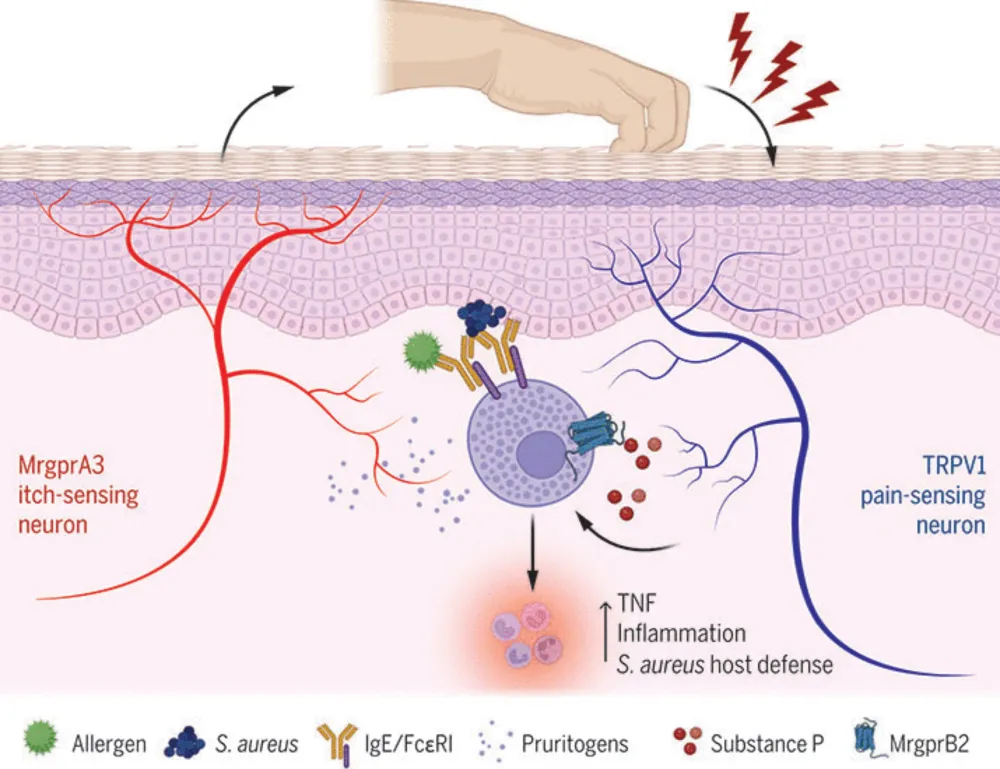
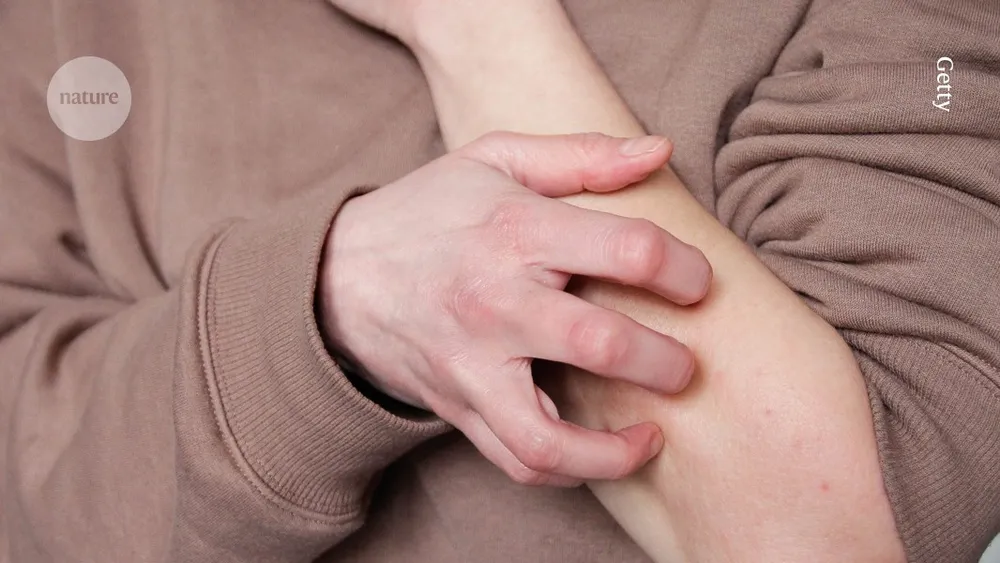
Why scratching makes a rash worse and a potential benefit to scratching--it reduced S. aureus on skin. Andrew Liu's paper from our lab is out now at #science #neuroimmune #immunology www.science.org/doi/10.1126/...
Scratching a mosquito bite can offer a moment of bliss, and now scientists have learnt why: scratching activates an immune response that helps to protect the skin against harmful infections, at least in mice.
This review by Kothari and Dong outlines how bidirectional neuroimmune crosstalk—where immune signaling molecules directly activate sensory neurons and neuropeptides modulate local immune responses—drives pathologic itch, highlighting tissue-specific mechanisms and novel targetable pathways for pruritic diseases.
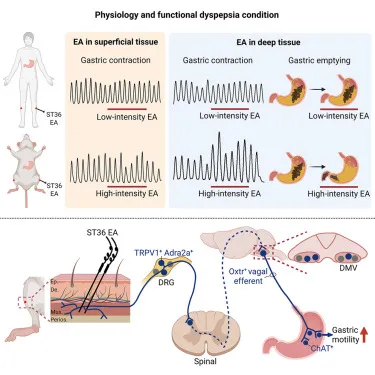
This paper by Dong et al. demonstrates that electroacupuncture drives a somatosensory-vagal-gastric reflex to improve gastric motility in both mice and human patients via the activation of deep fascial nociceptors and gastro-projecting vagal motor neurons.
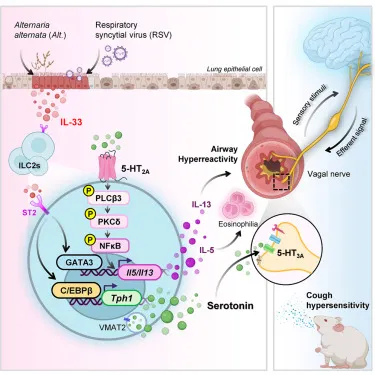
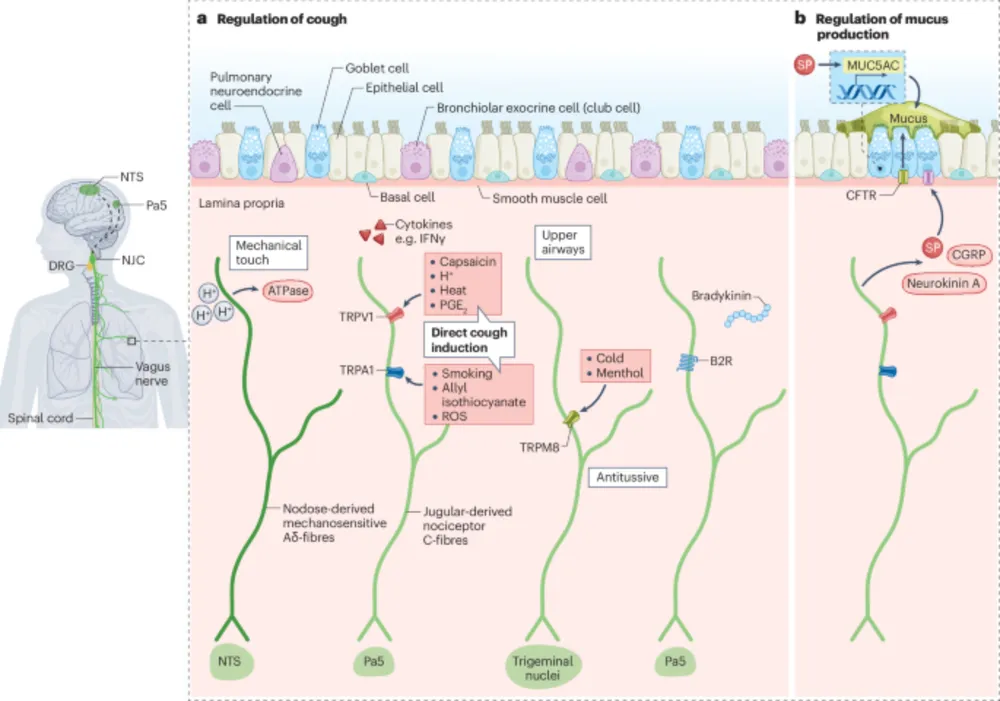
Wired for immunity: neuroimmune control of the lung by sensory neurons — a Review by Anna M. Ehlers, Idaira M. Guerrero-Fonseca, Christophe Altier, Bryan G. Yipp & Sebastien Talbot
#neuroscience #neuroskyence
www.nature.com/articles/s41...
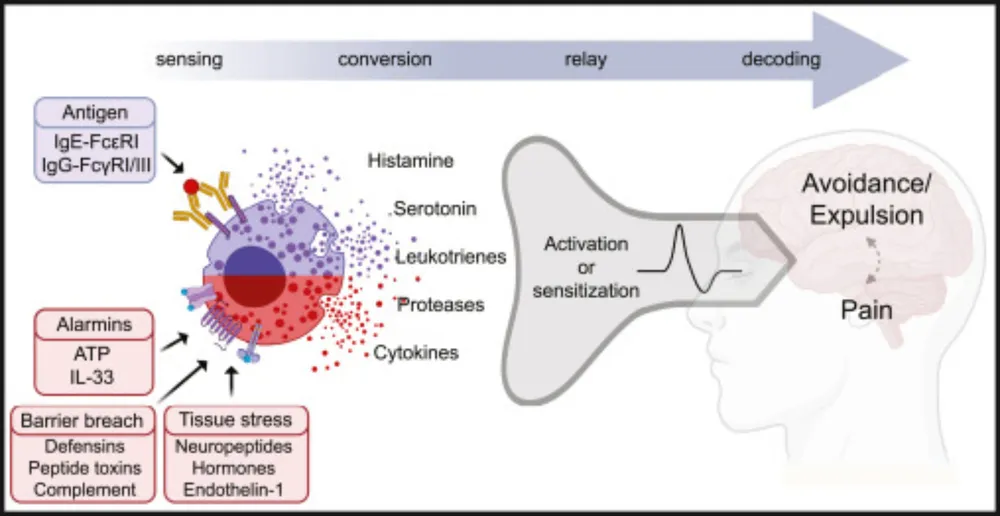
Happy to share our latest review, 'Beyond classical immunity: Mast cells as signal converters between tissues and neurons'. Mast cells finally emerge as important mediators of neuro-immune communication and host-protective behavior! 🔗 tinyurl.com/3f7eufsm